
Post
Aluminum vs Steel Residential Fencing | Hengya Metal
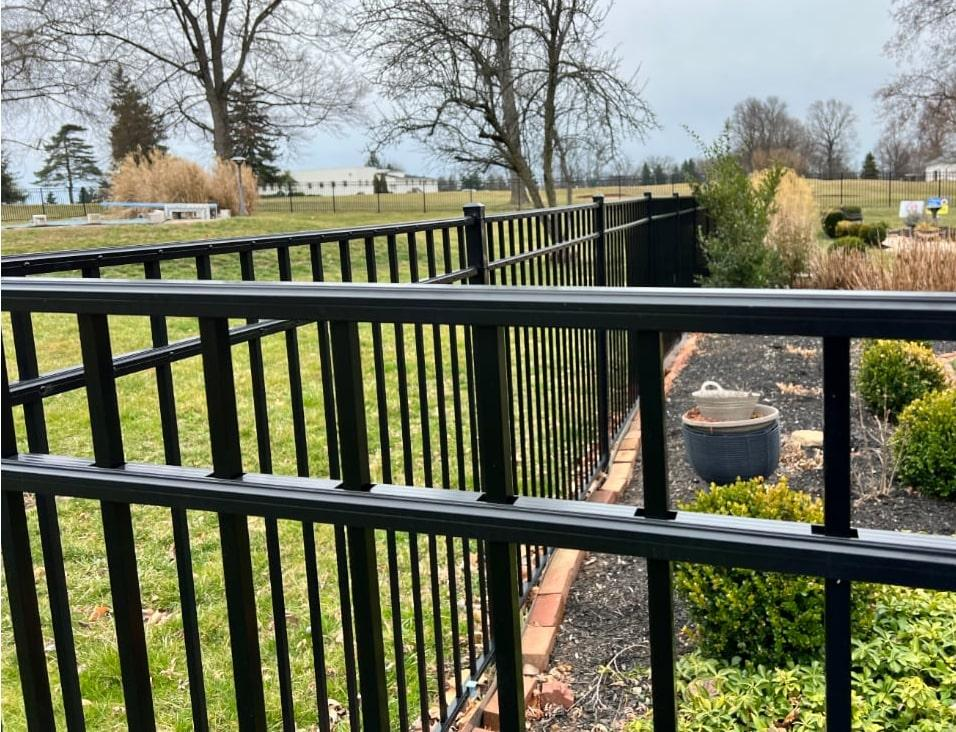
Compare aluminum and steel residential fencing for homes, gardens, villas, and communities. Learn the differences in strength, maintenance, corrosion resistance, and cost.
Article
When choosing residential fencing, material selection is one of the most important decisions. Two of the most common options are aluminum fencing and steel fencing. Both materials can provide security, style, and long service life, but they are suitable for different project requirements.
Understanding the differences between aluminum and steel fencing can help homeowners, contractors, and distributors choose the most suitable solution.
Aluminum Residential Fencing
Aluminum fencing is popular for residential projects because it is lightweight, corrosion-resistant, and easy to maintain. It is often used around gardens, villas, swimming pools, front yards, and modern residential communities.
One of the biggest advantages of aluminum fencing is its natural resistance to rust. This makes it a good option for areas with high humidity, coastal environments, or frequent rain.
Aluminum fence panels are also easier to transport and install because of their lighter weight. For residential projects that require clean appearance and low maintenance, aluminum fencing is often a practical choice.
Steel Residential Fencing
Steel fencing is stronger and heavier than aluminum fencing. It is often selected for projects that require higher structural strength and stronger security performance.
Steel residential fencing is commonly used for boundary protection, community fencing, school fencing, and areas where impact resistance is important.
With proper galvanizing and powder coating, steel fencing can also provide excellent outdoor durability. The key is choosing a reliable manufacturer that controls welding, surface treatment, and coating quality.
Which One Should You Choose?
If the project focuses on lightweight installation, corrosion resistance, and low maintenance, aluminum fencing is a good choice.
If the project requires stronger structure, higher impact resistance, and better security performance, steel fencing may be more suitable.
For many residential projects, the final choice depends on local climate, budget, design preference, and project safety requirements.
Customization Options
Both aluminum and steel fencing can be customized in different styles, including:
Flat top fencing
Rod top fencing
Heritage picket fencing
Ring top fencing
Decorative residential fencing
Custom guardrail systems
Colors, panel height, post size, surface finish, and packaging can also be customized according to project requirements.
Conclusion
Aluminum and steel residential fencing both offer strong advantages. Aluminum is lightweight and corrosion-resistant, while steel provides higher strength and security.
Hengya Metal supplies customized residential fencing solutions for homes, villas, gardens, communities, and commercial projects. We support different materials, sizes, colors, and surface treatments to meet various project needs.