
Post
How to Choose the Right Residential Metal Fencing for Your Property
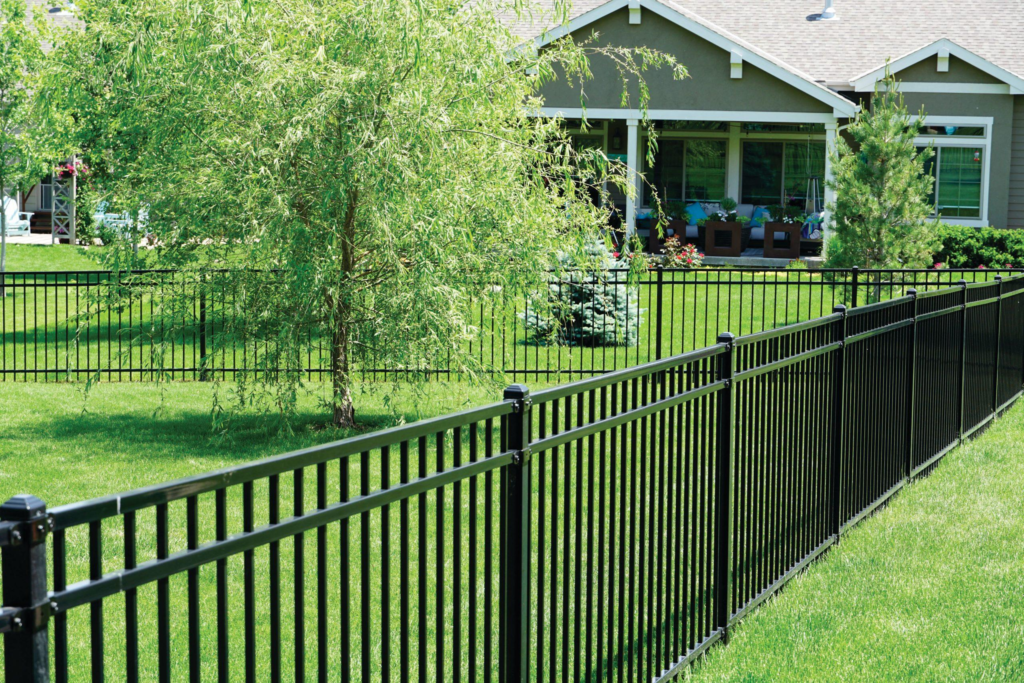
Learn how to choose the right residential metal fencing for homes, villas, gardens, and communities. Compare flat top, rod top, picket, and decorative fence styles.
Article
Choosing the right residential fencing is not only about marking the boundary of a property. A good fence should improve security, match the architectural style of the home, and provide long-term durability with low maintenance.
For modern homes, metal fencing has become one of the most practical and attractive options. Compared with timber or temporary fencing, metal fence panels offer better structural strength, longer service life, and a cleaner appearance.
1. Consider the Main Purpose of the Fence
Before choosing a fence style, property owners should first consider the main purpose of the fencing system.
For general boundary protection, a simple flat top fence is often enough. It provides a clean appearance and clear separation between private and public areas.
For homes that require stronger visual security, rod top fencing or anti-climb designs can be a better choice. These styles offer more vertical strength and can help discourage unauthorized access.
For villas, gardens, and residential communities, decorative styles such as heritage picket fencing or ring top fencing can provide both security and visual appeal.
2. Choose a Style That Matches the Property
Different residential projects require different visual styles.
Flat top fencing is suitable for modern houses, apartment communities, and minimalist architecture. Its straight lines create a neat and professional look.
Rod top fencing provides a stronger vertical appearance and is often used for residential boundaries where safety and visibility are both important.
Heritage picket fencing is more decorative and traditional. It is ideal for homes, gardens, villas, and public residential landscapes.
Ring top fencing adds a softer visual detail to the top of the panel, making it suitable for residential areas that need both protection and elegance.
3. Pay Attention to Material and Surface Treatment
A residential fence is exposed to sunlight, rain, wind, and changing weather conditions every day. Therefore, the material and coating quality are very important.
High-quality metal fencing should normally include:
Strong steel or aluminum structure
Accurate welding and panel alignment
Smooth surface finishing
Powder coating or anti-corrosion treatment
Stable posts and accessories
A good coating helps prevent rust, fading, and peeling. This is especially important for outdoor residential fencing used in coastal, humid, or high-rainfall areas.
4. Consider Installation and Maintenance
Residential fencing should be easy to install and simple to maintain. Modular fence panels are usually easier to transport, assemble, and replace.
Compared with wooden fences, metal fence systems require less regular maintenance. In most cases, basic cleaning and occasional inspection are enough to keep the fence in good condition.
5. Work with a Direct Manufacturer
Choosing a direct fencing manufacturer can help customers get better control over product quality, customization, packaging, and delivery.
At Hengya Metal, we manufacture a wide range of residential metal fencing products, including flat top fencing, rod top fencing, heritage picket fencing, ring top fencing, and customized guardrail solutions.We can support different project requirements with customized dimensions, colors, surface treatments, and packaging solutions.
Conclusion
The best residential fence should balance security, appearance, durability, and cost. Whether the project requires a modern flat top fence, a traditional picket fence, or a decorative ring top design, choosing the right metal fencing system can improve both property protection and visual value.
Hengya Metal provides durable and customizable residential fencing solutions for homes, villas, gardens, and community projects.