
Post
Flat Top vs Rod Top Residential Fencing | Hengya Metal
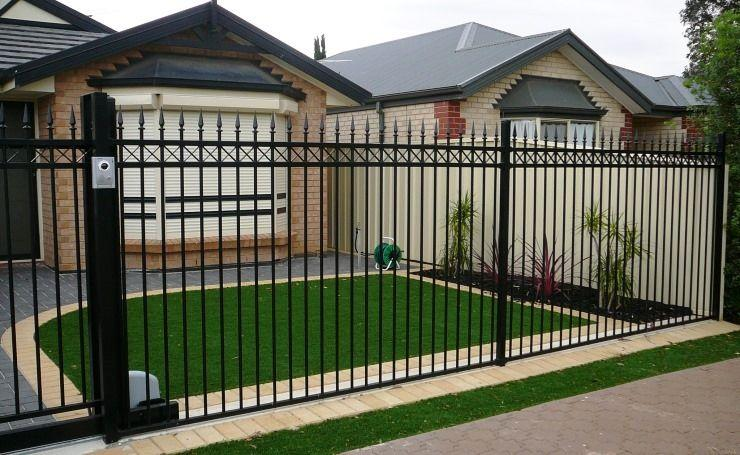
Compare flat top and rod top residential fencing. Learn the differences in appearance, security, installation, and application for modern residential projects.
Article
Flat top and rod top fencing are two common styles used in residential metal fencing projects. Both designs are popular for homes, gardens, residential communities, and property boundary protection. However, they have different appearances and practical advantages.
Understanding the difference between these two styles can help homeowners, contractors, and distributors choose the right fencing solution for their projects.
What Is Flat Top Residential Fencing?
Flat top fencing features a clean and horizontal top rail. The vertical bars are usually connected neatly between the top and bottom rails, creating a simple and modern appearance.
This type of fencing is widely used for:
Residential houses
Villas
Apartment communities
Garden boundaries
Public residential areas
Modern landscape projects
The biggest advantage of flat top fencing is its clean and elegant look. It matches modern architecture very well and does not create an aggressive appearance.
Advantages of Flat Top Fencing
Flat top fencing is suitable for customers who want a balance between safety and style.
Its main advantages include:
Modern and simple appearance
Smooth top design
Good visibility
Easy installation
Suitable for residential and commercial boundaries
Low maintenance after powder coating
Because of its neat design, flat top fencing is often preferred for residential projects where appearance is very important.
What Is Rod Top Residential Fencing?
Rod top fencing has vertical rods or bars that extend upward, creating a stronger and more secure appearance. Compared with flat top fencing, rod top fencing gives a more protective impression.
It is commonly used for:
Residential boundary protection
School and community fencing
Garden security
Private property areas
Medium-security residential projects
Rod top fencing is a good choice when the customer wants a stronger security appearance while still keeping the fence visually open.
Advantages of Rod Top Fencing
Rod top fencing is practical for properties that require extra protection.
Its main advantages include:
Strong vertical structure
Better visual deterrence
Good anti-climb appearance
Durable welded construction
Suitable for security-focused residential areas
Long service life with proper coating
This style is often chosen for homes and communities where security is more important than decorative design.
Which One Should You Choose?
The best choice depends on the project purpose.
If the main requirement is a modern and clean look, flat top fencing is usually the better option.
If the main requirement is stronger visual security, rod top fencing may be more suitable.
For residential communities, both styles can be used in different areas. Flat top fencing can be used around gardens, walkways, and front boundaries, while rod top fencing can be used in areas that require stronger security.
Surface Treatment Is Important
No matter which style is selected, surface treatment is one of the most important quality factors.
A good residential fence should have:
Smooth welding
Accurate dimensions
Strong posts
Anti-rust treatment
Durable powder coating
Weather-resistant finish
Hengya Metal provides customized color and surface treatment options to match different residential project requirements.
Conclusion
Flat top and rod top fencing are both excellent choices for residential metal fencing. Flat top fencing is more modern and elegant, while rod top fencing provides a stronger security appearance.
As a direct metal fencing manufacturer, Hengya Metal can supply both styles with customized sizes, colors, posts, and packaging for residential and commercial projects.